
Books have the remarkable power to transport children to different worlds, introduce them to diverse characters, and help them understand experiences beyond their own. Diversity books for kids are essential tools that foster empathy, celebrate differences, and help children see themselves reflected in the stories they read. Whether you’re a parent, educator, or caregiver, introducing children to books that represent various cultures, abilities, family structures, and identities can have a profound impact on their development and worldview.
Why Diversity in Children’s Books Matters
Dr. Rudine Sims Bishop, known for her influential work in children’s literature, described books as “mirrors, windows, and sliding glass doors.” When children see themselves represented in books (mirrors), they gain validation and a sense of belonging. When they read about different experiences (windows), they develop understanding and empathy for others. And when books allow them to step into different worlds (sliding glass doors), they can fully immerse themselves in diverse experiences.
Research shows that exposure to diverse books helps children develop:
- Stronger self-identity and self-esteem
- Greater empathy and understanding of others
- Reduced prejudice and stereotyping
- Better critical thinking skills
- Broader cultural awareness and appreciation

“Children need to see themselves reflected in the books they read. If they don’t, or if their reflections are distorted or negative, they learn a powerful lesson about how they are devalued in society.”
— Dr. Rudine Sims Bishop
Types of Diversity in Children’s Literature
Diversity in children’s books encompasses many dimensions of human experience. Here are the main categories you’ll find in today’s inclusive children’s literature:
Racial & Cultural Diversity

Books that represent various racial identities, ethnicities, languages, traditions, and cultural practices from around the world.
Disability & Neurodiversity

Stories featuring characters with physical disabilities, chronic illnesses, and neurological differences like autism, ADHD, and dyslexia.
Family Diversity

Books depicting various family structures including single-parent families, same-sex parents, adoptive families, foster families, and multigenerational households.
Gender Diversity

Literature that explores gender identity, expression, and challenges traditional gender roles and stereotypes.
Religious Diversity

Stories that introduce children to various religious traditions, celebrations, and spiritual practices around the world.
Socioeconomic Diversity

Books that represent different economic realities, living situations, and class experiences in sensitive, authentic ways.
Recommended Diversity Books for Toddlers (0-3 years)
It’s never too early to introduce diverse books to children. These board books and simple picture books are perfect for the youngest readers:

All Are Welcome
By Alexandra Penfold
A joyful celebration of diversity that follows a group of children through a school day, where all are welcomed with open arms regardless of background.Ages 0-3

Antiracist Baby
By Ibram X. Kendi
A board book that introduces the concept of antiracism to the youngest readers, providing thoughtful language to discuss race and identity.Ages 0-3

A Big Mooncake for Little Star
By Grace Lin
A gorgeous picture book that tells a whimsical origin story of the phases of the moon through the lens of Chinese culture.Ages 2-3
Recommended Diversity Books for Preschoolers (3-5 years)
Preschoolers are developing a stronger sense of identity and beginning to notice differences. These books help them explore diversity in accessible ways:

The Proudest Blue
By Ibtihaj Muhammad
A powerful story about a young girl’s first day of wearing hijab and how she and her sister navigate others’ reactions with pride and strength.Ages 3-5

Eyes That Kiss in the Corners
By Joanna Ho
A young Asian girl notices that her eyes look different from her peers’ but realizes that her eyes connect her to her family and her heritage.Ages 4-5

Fry Bread: A Native American Family Story
By Kevin Noble Maillard
A celebration of Native American culture through the story of making fry bread, exploring themes of family, history, and tradition.Ages 3-5
Recommended Diversity Books for Elementary School Children (6-12 years)
Elementary school children are ready for more complex stories that explore diversity in greater depth:
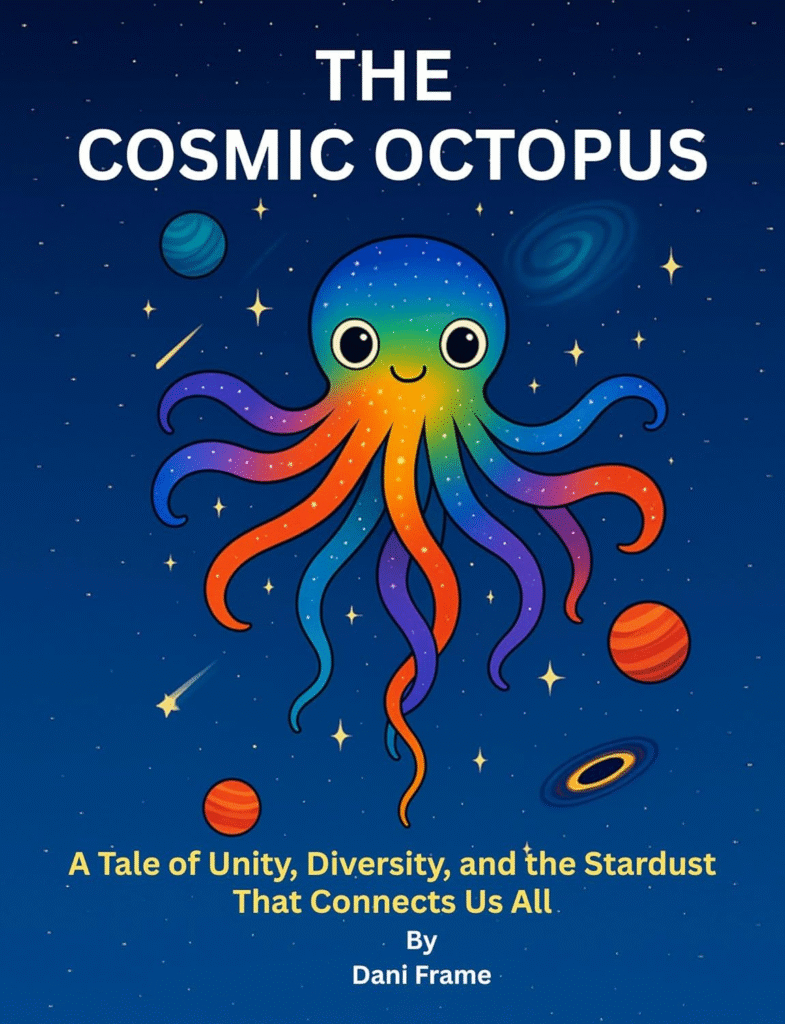
The Cosmic Octopus isn’t just another storybook—it’s one of those rare books on diversity for children that helps little readers understand their feelings and the beauty of being different. This uplifting, beautifully illustrated tale encourages emotional awareness, kindness, and connection, making it a standout among kids’ books on diversity and empathy books for kids.

When We Say Black Lives Matter
By Maxine Beneba Clarke
A lyrical exploration of the meaning behind the Black Lives Matter movement, written as a parent explaining to a child the importance of the phrase.Ages 6-9

Just Ask! Be Different, Be Brave, Be You
By Sonia Sotomayor
Supreme Court Justice Sonia Sotomayor celebrates the different abilities kids (and people of all ages) have, using her own experience with diabetes as an example.Ages 6-9

New Kid
By Jerry Craft
This Newbery Medal-winning graphic novel follows Jordan Banks as he navigates being one of the few kids of color at a prestigious private school.Ages 9-12
Want More Book Recommendations?
Download our complete age-categorized list of diverse children’s books to keep as a reference for your next library visit or bookstore trip.Download Free Reading List
Tips for Selecting Quality Diverse Books

What to Look For
- Authentic representation – Books written by authors from the culture or community being portrayed often (but not always) provide more authentic perspectives.
- Positive portrayals – Look for books that present diverse characters in positive, empowering ways rather than focusing solely on struggles or stereotypes.
- Well-developed characters – Diverse characters should be fully developed with their own personalities, not just defined by their differences.
- Accurate information – Especially for nonfiction, ensure the cultural, historical, or scientific information is accurate and respectful.
- Beautiful, respectful illustrations – Images should depict diverse characters authentically without caricatures or stereotypes.
What to Avoid
- Tokenism – Books that include diverse characters without meaningful roles or development.
- Stereotypes – Content that reinforces harmful or oversimplified views of any group.
- White savior narratives – Stories where a white character “rescues” or “fixes” problems for characters of color.
- Outdated terminology – Books using outdated or offensive language to describe diverse groups.
- Exoticization – Content that treats cultural differences as strange, exotic, or only interesting for their “otherness.”
The “Own Voices” Movement
The “Own Voices” concept highlights books written by authors who share the marginalized identity of their protagonists. While not the only factor to consider, these books often provide authentic perspectives and nuanced portrayals of diverse experiences.
How to Discuss Diverse Books with Children

Reading diverse books is just the beginning. Meaningful discussions help children process and internalize the messages in these stories:
For Younger Children (0-5)
- Use simple, direct language to discuss differences
- Focus on similarities between the child and book characters
- Ask open-ended questions about how characters might feel
- Point out and name different aspects of diversity in illustrations
- Connect book themes to your child’s experiences
For Elementary Children (6-12)
- Ask how they might feel in the character’s situation
- Discuss historical context when appropriate
- Encourage critical thinking about stereotypes or biases
- Explore how diversity enriches communities
- Connect book themes to current events when relevant
Sample Discussion Questions
- “How do you think [character] felt when…?”
- “Have you ever felt like [character] did?”
- “What would you do if you were in this situation?”
- “What did you learn about [culture/identity/experience]?”
- “How is this character’s life similar to or different from yours?”
Creating a Safe Space for Discussion
Children may ask uncomfortable or challenging questions when exploring diverse books. Create a judgment-free environment where curiosity is welcomed. If you don’t know an answer, research together or acknowledge your learning journey. Remember that these conversations develop over time—you don’t need to cover everything in one discussion.
Where to Find Diverse Children’s Books

Libraries
Public libraries are excellent resources for diverse books without financial commitment:
- Ask librarians for diverse book recommendations
- Look for special displays during cultural heritage months
- Request specific titles through interlibrary loan
- Participate in library reading programs that highlight diverse books
Bookstores
Support these businesses that specialize in diverse books:
- Brain Lair Books – Specializes in diverse books
- Mahogany Books – Black-owned bookstore
- Birchbark Books – Native American-owned
- Local independent bookstores often have diverse book sections
Online Resources
These organizations curate and recommend diverse children’s books:
- We Need Diverse Books
- Social Justice Books
- American Indians in Children’s Literature
- Lee & Low Books
Support Diverse Authors and Publishers
By purchasing diverse books, you’re supporting authors and publishers who are working to make children’s literature more inclusive. Consider buying directly from publishers that specialize in diverse books or from bookstores owned by people from marginalized communities.Explore More Resources
Building a Diverse Home Library

Getting Started
Building a diverse home library doesn’t have to happen overnight. Here are some approaches to gradually develop your collection:
- Start with your child’s interests – Find diverse books that align with topics your child already enjoys
- Rotate seasonally – Feature books about different cultural celebrations throughout the year
- Mix classics with new releases – Balance beloved classics with contemporary diverse titles
- Consider different formats – Include picture books, chapter books, graphic novels, and nonfiction
- Budget-friendly options – Look for used books, library sales, and book swaps
Organizing Your Collection
Make diverse books accessible and appealing to children:
- Display books with covers facing outward to showcase diverse characters
- Create themed collections (e.g., “Books About Brave People,” “Stories From Around the World”)
- Place books at child-friendly heights
- Rotate featured books to maintain interest
- Create a cozy reading nook that invites exploration
Diversity Audit
Take time to assess your current collection. Count how many books feature protagonists from different backgrounds, abilities, and family structures. Identify gaps and make a plan to diversify areas where representation is lacking.
For Educators: Incorporating Diverse Books in the Classroom

Classroom Strategies
- Create inclusive reading corners with diverse books prominently displayed
- Incorporate diverse books into regular curriculum, not just during heritage months
- Use diverse texts for teaching core literacy skills
- Invite guest readers from different backgrounds to share stories
- Connect literature to students’ lived experiences
- Use books as springboards for art, writing, and discussion projects
Building an Inclusive Classroom Library
- Conduct a diversity audit of your current collection
- Set goals for expanding representation across all dimensions of diversity
- Seek funding through grants, DonorsChoose, or school library budgets
- Partner with local bookstores for educator discounts
- Organize book exchanges with other teachers
- Request specific diverse titles for school library acquisitions
How do I respond to challenges about diverse books in my classroom?
Be prepared to articulate the educational value of diverse books. Focus on how these books support curriculum standards, develop empathy, and prepare students for a diverse world. Have your school’s materials selection policy on hand and follow proper procedures for addressing concerns. Consider providing context sheets for parents that explain the educational purpose of specific books.
How can I make diverse books relevant to all students?
Focus on universal themes that all children can relate to—friendship, family, courage, overcoming challenges—while highlighting the unique cultural contexts. Help students identify both similarities and differences between their own experiences and those in the books. Create opportunities for students to share their own diverse experiences and connections to the literature.
The Lasting Impact of Diverse Books
When we provide children with diverse books, we’re doing more than just expanding their literary horizons—we’re helping shape how they view themselves and others. Research consistently shows that children who are exposed to diverse literature develop stronger empathy, better critical thinking skills, and more nuanced understanding of the world around them.
For children from marginalized communities, seeing themselves represented positively in books can boost self-esteem and provide validation. For children from majority groups, diverse books expand worldviews and challenge stereotypes. For all children, these books help develop the cultural competence needed to thrive in our increasingly diverse society.
“The books we share with our children are powerful vehicles for helping them understand that we live in a diverse world, and that despite our differences, we all share common feelings and experiences.”
— Grace Lin, award-winning author and illustrator

Start Your Diverse Reading Journey Today
Every book is an opportunity to expand a child’s understanding of the world. Begin with just one diverse book that matches your child’s interests, and watch how it opens doors to conversations, questions, and deeper understanding.